Posted on Leave a comment

The Fire Safety of Hempcrete: A Closer Look at an Eco-Friendly Building Material

Hemp Nation One: ‘The Fire Safety of Hempcrete: A Closer Look at an Eco-Friendly Building Material’
First published: 20250820   Updated on 20250826 
Author: Jelle Debusscher

In the rapidly evolving world of sustainable construction, hempcrete has emerged as a promising eco-friendly building material. A composite of hemp hurds (the woody inner core of the hemp stalk), lime binder, and water, hempcrete is celebrated for its low carbon footprint, excellent thermal performance, and moisture-regulating properties. However, as with any building material, its fire resistance is a critical factor for builders, architects, and homeowners. This article delves into the fire safety of hempcrete, examining its unique properties and performance in the face of fire.

The Composition and Curing Process

Hempcrete’s remarkable fire-resistant qualities are intrinsically linked to its composition and the unique chemical process it undergoes. The material is not just a simple mix; it’s a bio-composite that undergoes a fascinating transformation. The mixture of lime (often a blend of hydraulic and air limes), hemp hurds, and water is initially a wet, malleable mass. Once placed within formwork, the material begins to cure.
This curing process, known as carbonation, is a slow, multi-year affair. The lime binder reacts with carbon dioxide from the air, gradually reverting back to calcium carbonate (CaCO₃) – a form of stone or chalk. Over a period of up to 12 years, this process continues, making the material progressively harder and more stable. The resulting structure is a porous, lightweight material where the hemp hurds are fully encapsulated by the non-flammable lime binder. This encapsulation is the key to its fire safety.

Inherent Fire Resistance

Unlike conventional cellulose-based insulation or wood, which are highly combustible, hempcrete is inherently non-combustible and self-extinguishing. The lime binder acts as a natural fire retardant, effectively preventing the hemp hurds from catching fire. When exposed to flame, the material does not burn or smolder. Instead, it chars slowly on the surface, forming a protective carbon layer.
This charring process serves a dual purpose: it insulates the core of the wall from the heat, preventing the fire from spreading, and it releases water vapor. The release of water vapor, a product of the lime curing process and the material’s ability to store moisture, further cools the surface and helps to suppress the flame. This unique thermal behavior gives hempcrete a high level of fire resistance, often exceeding the requirements of building codes.

Fire Safety Performance and Testing

Hempcrete walls and insulation have been subjected to rigorous fire-resistance testing to confirm their safety. Tests have consistently shown that hempcrete walls can withstand fire for several hours, with some tests demonstrating resistance for up to 120 minutes or more, depending on the wall thickness and density.
A critical aspect of these tests is the observation that hempcrete does not emit toxic smoke or fumes when exposed to fire. This is a significant advantage over many synthetic building materials, which can release harmful chemicals and thick smoke, posing a greater threat to occupants than the fire itself. The clean, non-toxic nature of hempcrete’s reaction to fire contributes significantly to the overall safety of a building’s occupants.

Building Codes and Regulations

While hempcrete’s fire-resistant properties are well-documented, its classification and acceptance in building codes can vary by region. The material is typically recognized as a “Class A” or “Class 1” fire-rated material, which is the highest classification for building materials. This classification is generally achieved through testing according to standards such as ASTM E84 or similar international equivalents.
It is essential for builders and specifiers to consult local building regulations and to work with experienced professionals who understand how to properly design and construct with hempcrete to ensure compliance. The combination of proper installation, correct material mix, and adequate thickness all contribute to achieving the required fire rating.

Conclusion

Hempcrete stands out as a material that not only addresses environmental concerns but also provides a high level of fire safety. The slow, natural carbonation process transforms a simple mix into a highly fire-resistant and self-extinguishing composite. The material’s ability to char slowly, suppress flames, and avoid the release of toxic fumes makes it a safe choice for residential and commercial construction. As the building industry continues to seek sustainable and resilient solutions, the inherent fire safety of hempcrete solidifies its position as a valuable material for the future.

Posted on Leave a comment

The Resurgence of Hemp: A Multifaceted Industry Undergoing Transformation

Hemp, a plant with a rich history and diverse applications, is experiencing a remarkable resurgence in the 21st century.1 Driven by a renewed focus on sustainability, innovation, and wellness, the hemp industry is undergoing significant growth, professionalization, diversification, and specialization. This article explores the key factors contributing to this transformation, highlighting the plant’s multifaceted benefits and its potential to revolutionize various sectors.

Growth and Professionalization:

The global hemp market has witnessed exponential growth in recent years, fueled by increasing legalization, rising consumer demand, and technological advancements.2 This expansion has led to the professionalization of the industry, with established agricultural practices, standardized processing techniques, and robust quality control measures being implemented. Investments in research and development, coupled with the emergence of specialized hemp cultivation and processing companies, have further solidified the industry’s foundation.

Diversification and Specialization:

One of the most remarkable aspects of the hemp industry’s resurgence is the diversification of its applications. Beyond its traditional uses in textiles and ropes, hemp is now being utilized in a wide range of industries, including:

  • Food and Beverage: Hemp seeds and hemp-derived products are gaining popularity due to their nutritional profile, rich in protein, omega-3 fatty acids, and essential minerals.3 Hemp-based foods and beverages, such as hemp milk, protein powder, and snacks, are increasingly finding their way into mainstream markets.4
  • Health and Wellness: Cannabidiol (CBD), a non-psychoactive compound found in hemp, has gained significant attention for its potential therapeutic benefits.5 The growing demand for CBD products, including oils, tinctures, and topicals, has created a thriving market within the hemp industry.6
  • Construction and Materials: Hempcrete, a bio-composite material made from hemp hurds and lime, is gaining traction as a sustainable and eco-friendly alternative to traditional building materials.7 Hemp fibers are also being used in the production of insulation, particleboard, and other construction products.8
  • Automotive and Industrial: Hemp fibers are finding applications in the automotive industry as a lightweight and sustainable alternative to fiberglass and other materials.9 Hemp-based bioplastics are also being developed for use in various industrial applications.10

This diversification has led to specialization within the hemp industry, with companies focusing on specific areas such as hemp cultivation, processing, product development, and distribution. This specialization has further contributed to the industry’s growth and efficiency.

Hemp as a Versatile Filter Membrane:

In addition to its diverse applications, hemp is also proving to be a valuable resource for improving the quality of other products and processes. Hemp fibers possess unique properties that make them suitable for use as filter membranes in various applications, including:

  • Air Filtration: Hemp-based air filters can effectively remove pollutants, dust, and allergens from the air, contributing to improved indoor air quality.
  • Water Filtration: Hemp filters can be used to purify water, removing impurities and contaminants, making it a sustainable solution for water treatment.11
  • Industrial Filtration: Hemp membranes can be utilized in industrial processes to filter liquids and gases, improving efficiency and reducing waste.12

The use of hemp as a filter membrane not only enhances the quality of other products but also promotes sustainability by utilizing a renewable resource and reducing reliance on synthetic filters.

Conclusion:

The hemp industry is undergoing a remarkable transformation, driven by growth, professionalization, diversification, and specialization. With its wide range of applications and potential to improve the quality of other products, hemp is poised to play a significant role in various sectors.3 As research and development continue to unlock the full potential of this versatile plant, the hemp industry is expected to witness further growth and innovation in the years to come.


Sources and related content:

Posted on Leave a comment

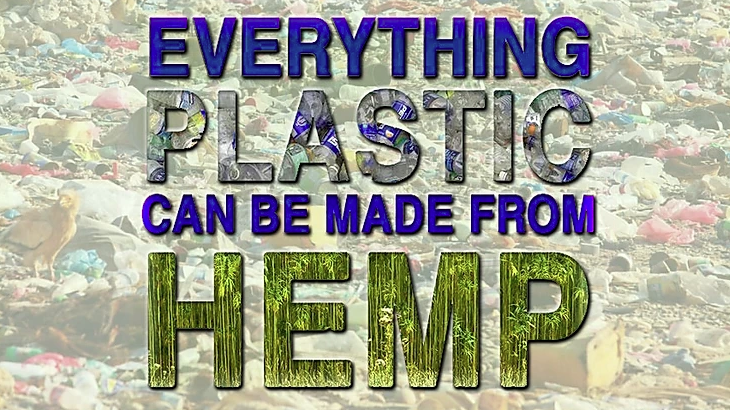
Hemp: A Green Hero in the Fight Against Plastic and Microplastics

In a world increasingly choked by plastic pollution, hemp emerges as a beacon of hope, offering a sustainable and versatile alternative. Here’s why many consider it a lifesaver, particularly in the fight against plastic and microplastics:

Toxicity:

  • Plastic: Traditional plastics leach harmful chemicals like BPA and phthalates, posing health risks and disrupting ecosystems.
  • Hemp: Hemp is naturally non-toxic and biodegradable, releasing no harmful substances into the environment.

Biodegradability:

  • Plastic: Plastic can take centuries to decompose, accumulating in landfills and oceans, where it breaks down into microplastics harming wildlife and entering the food chain.
  • Hemp: Hemp biodegrades in just a few months, returning valuable nutrients to the soil and leaving no harmful residues.

Sustainability:

  • Plastic: Plastic production relies on fossil fuels, contributing to greenhouse gas emissions and climate change.
  • Hemp: Hemp is a fast-growing crop requiring minimal water and pesticides, making it a sustainable and environmentally friendly choice.

Beyond Biodegradability:

  • Hemp fibers: Strong and durable, they can be used to make bioplastics, textiles, building materials, and more, replacing plastic across various industries.
  • Hemp seed oil: A natural replacement for petroleum-based lubricants and inks, further reducing plastic dependence.

Additional Benefits:

  • Hemp: It improves soil health, promotes biodiversity, and captures carbon dioxide from the atmosphere.

The Challenge:

While hemp offers a promising solution, scaling up production and overcoming regulatory hurdles remain challenges. However, the growing awareness of plastic pollution and the potential of hemp are driving investment and innovation, paving the way for a more sustainable future.

Conclusion:

Hemp is not a silver bullet, but it’s a powerful tool in the fight against plastic and microplastics. Its non-toxic nature, biodegradability, and sustainability make it a lifesaver for our planet and a beacon of hope for a cleaner, healthier future. By embracing hemp and supporting its development, we can chart a course towards a more sustainable world, free from the harmful grip of plastic pollution.

Posted on Leave a comment

Replacing Plastics with Hemp: Sustainable Solutions for a Clean Economy

The Need for Sustainable Alternatives

The world is grappling with a growing plastic waste crisis that has severe environmental and health consequences. Plastics are non-biodegradable, take hundreds of years to decompose, and pollute waterways, oceans, and soil. The production of plastics also releases greenhouse gases, contributing to climate change. The need for sustainable alternatives to plastics is, therefore, urgent. Hemp, a versatile plant with numerous applications, has emerged as a viable alternative to traditional plastics. In this article, we explore the properties of hemp, its production methodologies, advantages over traditional plastics, and applications in various industries.

Properties of Hemp: A Viable Alternative to Plastics

Hemp is a fast-growing plant that requires minimal water and pesticides to grow. It has a high cellulose content, making it an excellent source of fiber for textiles, paper, and building materials. Hemp fibers can also be processed to produce biodegradable plastics that have similar properties to traditional plastics. Hemp plastic is durable, lightweight, and resistant to bacteria and UV rays. It can be molded into different shapes, making it suitable for various applications.

Hemp Plastic Production: Raw Materials and Methodologies

The production of hemp plastic involves extracting fibers from the hemp plant and mixing them with a biodegradable resin. The fibers are first cleaned, processed, and spun into a yarn. The yarn is then woven into mats, which are impregnated with the resin. The mats are then heated and pressed to form a solid material that can be molded into different shapes. The raw materials used in hemp plastic production are renewable and biodegradable, making it an eco-friendly alternative to traditional plastics.

The Advantages of Hemp Over Traditional Plastics

Hemp plastic has several advantages over traditional plastics. First, it is biodegradable and does not contribute to plastic waste. Second, it is made from renewable resources and does not rely on fossil fuels like traditional plastics. Third, it is lightweight, durable, and resistant to bacteria and UV rays. Fourth, it can be molded into different shapes, making it suitable for a wide range of applications. Fifth, it has a lower carbon footprint than traditional plastics, making it an environmentally friendly option.

The Economic and Environmental Benefits of Switching to Hemp

The adoption of hemp plastic has economic and environmental benefits. It creates new markets for hemp farmers and processors, providing them with additional sources of income. It also reduces the dependence on fossil fuels and promotes sustainable development. The production of hemp plastic creates jobs, stimulates local economies, and reduces carbon emissions. Switching to hemp plastic can also reduce the amount of plastic waste in landfills and oceans, improving the health of ecosystems and reducing the risk of plastic pollution.

Hemp as a Renewable Resource: The Future of Sustainable Development

Hemp is a renewable resource that can play a significant role in sustainable development. Its fast growth rate, low water and pesticide requirements, and high cellulose content make it an ideal crop for eco-friendly products. Hemp can be used for a variety of applications, including textiles, paper, building materials, and plastics. The adoption of hemp products can reduce the environmental impact of resource-intensive industries and promote sustainable practices.

Applications of Hemp Plastic: From Packaging to Automotive Industry

Hemp plastic has multiple applications in various industries. It can be used for packaging materials, such as bags, containers, and wrapping paper. It can also be used in the automotive industry for interior parts, such as dashboards, door panels, and seat cushions. Hemp plastic is also suitable for consumer products, such as toys, electronics, and furniture. The versatility of hemp plastic makes it a viable alternative to traditional plastics in a wide range of applications.

Hemp Plastic in Biodegradable Materials: A Step Towards Zero Waste

The adoption of hemp plastic in biodegradable materials is a significant step towards zero waste. Biodegradable materials decompose naturally, reducing the amount of waste that ends up in landfills and oceans. Hemp plastic is an eco-friendly alternative to traditional plastics and can be used in biodegradable products, such as packaging materials and disposable cutlery. The use of biodegradable materials can also reduce the environmental impact of waste management practices.

The Challenges and Limitations of Hemp Plastic Production

The production of hemp plastic faces some challenges and limitations. The availability of raw materials, such as hemp fibers and biodegradable resins, is limited in some regions, making it challenging to scale up production. The cost of production is also higher than traditional plastics, making it less competitive in some markets. The processing of hemp fibers requires specialized equipment and expertise, which may not be readily available in all areas. Overcoming these challenges will require investment in research and development, infrastructure, and technology.

Government Policies and Initiatives for Promoting Hemp Plastic

Government policies and initiatives can play a vital role in promoting the adoption of hemp plastic. Regulations that promote eco-friendly products and discourage the use of traditional plastics can create a market for hemp plastic. Tax incentives, grants, and subsidies can also encourage investment in research and development, infrastructure, and technology. The promotion of sustainable practices and the adoption of circular economy principles can also create opportunities for the adoption of hemp plastic.

The Role of Businesses in Driving the Hemp Plastic Revolution

Businesses have a critical role to play in driving the hemp plastic revolution. They can invest in research and development, infrastructure, and technology to scale up production and reduce costs. They can also develop new applications for hemp plastic and promote its adoption in their supply chains. Companies that adopt sustainable practices and eco-friendly products can also improve their brand image and reputation, attracting environmentally conscious consumers.

A Clean Economy through Hemp Plastic Adoption

In conclusion, the adoption of hemp plastic can create a clean economy that promotes sustainable development and reduces the environmental impact of resource-intensive industries. Hemp plastic is an eco-friendly alternative to traditional plastics that can be used in a wide range of applications. Government policies and initiatives, as well as the role of businesses, are critical in driving the hemp plastic revolution. Overcoming the challenges and limitations of hemp plastic production will require investment in research and development, infrastructure, and technology. The adoption of hemp plastic in biodegradable materials can also be a significant step towards zero waste. The future of sustainable development lies in renewable resources like hemp, and the adoption of hemp plastic is a crucial step towards a cleaner, greener tomorrow.