Posted on Leave a comment

The Fire Safety of Hempcrete: A Closer Look at an Eco-Friendly Building Material

Hemp Nation One: ‘The Fire Safety of Hempcrete: A Closer Look at an Eco-Friendly Building Material’
First published: 20250820   Updated on 20250826 
Author: Jelle Debusscher

In the rapidly evolving world of sustainable construction, hempcrete has emerged as a promising eco-friendly building material. A composite of hemp hurds (the woody inner core of the hemp stalk), lime binder, and water, hempcrete is celebrated for its low carbon footprint, excellent thermal performance, and moisture-regulating properties. However, as with any building material, its fire resistance is a critical factor for builders, architects, and homeowners. This article delves into the fire safety of hempcrete, examining its unique properties and performance in the face of fire.

The Composition and Curing Process

Hempcrete’s remarkable fire-resistant qualities are intrinsically linked to its composition and the unique chemical process it undergoes. The material is not just a simple mix; it’s a bio-composite that undergoes a fascinating transformation. The mixture of lime (often a blend of hydraulic and air limes), hemp hurds, and water is initially a wet, malleable mass. Once placed within formwork, the material begins to cure.
This curing process, known as carbonation, is a slow, multi-year affair. The lime binder reacts with carbon dioxide from the air, gradually reverting back to calcium carbonate (CaCO₃) – a form of stone or chalk. Over a period of up to 12 years, this process continues, making the material progressively harder and more stable. The resulting structure is a porous, lightweight material where the hemp hurds are fully encapsulated by the non-flammable lime binder. This encapsulation is the key to its fire safety.

Inherent Fire Resistance

Unlike conventional cellulose-based insulation or wood, which are highly combustible, hempcrete is inherently non-combustible and self-extinguishing. The lime binder acts as a natural fire retardant, effectively preventing the hemp hurds from catching fire. When exposed to flame, the material does not burn or smolder. Instead, it chars slowly on the surface, forming a protective carbon layer.
This charring process serves a dual purpose: it insulates the core of the wall from the heat, preventing the fire from spreading, and it releases water vapor. The release of water vapor, a product of the lime curing process and the material’s ability to store moisture, further cools the surface and helps to suppress the flame. This unique thermal behavior gives hempcrete a high level of fire resistance, often exceeding the requirements of building codes.

Fire Safety Performance and Testing

Hempcrete walls and insulation have been subjected to rigorous fire-resistance testing to confirm their safety. Tests have consistently shown that hempcrete walls can withstand fire for several hours, with some tests demonstrating resistance for up to 120 minutes or more, depending on the wall thickness and density.
A critical aspect of these tests is the observation that hempcrete does not emit toxic smoke or fumes when exposed to fire. This is a significant advantage over many synthetic building materials, which can release harmful chemicals and thick smoke, posing a greater threat to occupants than the fire itself. The clean, non-toxic nature of hempcrete’s reaction to fire contributes significantly to the overall safety of a building’s occupants.

Building Codes and Regulations

While hempcrete’s fire-resistant properties are well-documented, its classification and acceptance in building codes can vary by region. The material is typically recognized as a “Class A” or “Class 1” fire-rated material, which is the highest classification for building materials. This classification is generally achieved through testing according to standards such as ASTM E84 or similar international equivalents.
It is essential for builders and specifiers to consult local building regulations and to work with experienced professionals who understand how to properly design and construct with hempcrete to ensure compliance. The combination of proper installation, correct material mix, and adequate thickness all contribute to achieving the required fire rating.

Conclusion

Hempcrete stands out as a material that not only addresses environmental concerns but also provides a high level of fire safety. The slow, natural carbonation process transforms a simple mix into a highly fire-resistant and self-extinguishing composite. The material’s ability to char slowly, suppress flames, and avoid the release of toxic fumes makes it a safe choice for residential and commercial construction. As the building industry continues to seek sustainable and resilient solutions, the inherent fire safety of hempcrete solidifies its position as a valuable material for the future.

Posted on Leave a comment

Ecological Restoration in Cities: Harmonizing Urban Spaces for a Greener Future

Urban areas, while centers of human activity and innovation, often face significant environmental challenges. Ecological restoration aims to address these challenges by reconnecting cities with nature, improving quality of life, and mitigating the impacts of climate change.

Key Principles of Urban Ecological Restoration:

  • Green Infrastructure: Integrating green spaces like parks, gardens, and green roofs into the urban fabric. These spaces provide numerous benefits, including improved air and water quality, reduced urban heat island effect, and increased biodiversity.
  • Blue Infrastructure: Incorporating water features such as rain gardens, wetlands, and bioswales to manage stormwater runoff, improve water quality, and create attractive urban spaces.
  • Food Production: Integrating urban agriculture, such as community gardens and rooftop farms, to enhance food security, improve local food systems, and create green spaces within the city.
  • Biodiversity Conservation: Protecting and restoring native plant and animal species within urban ecosystems. This can involve creating wildlife corridors, restoring native habitats, and implementing measures to reduce light pollution.
  • Community Engagement: Actively involving local communities in the planning, implementation, and monitoring of restoration projects. This ensures that restoration efforts are aligned with community needs and priorities.

Benefits of Urban Ecological Restoration:

  • Improved Human Health: Increased access to green spaces has been linked to numerous health benefits, including reduced stress, improved mental health, and increased physical activity.
  • Climate Change Mitigation: Urban green spaces can help mitigate the effects of climate change by absorbing carbon dioxide, reducing urban heat island effects, and improving air quality.
  • Enhanced Biodiversity: Restoration efforts can help to protect and restore biodiversity within urban ecosystems, providing essential habitat for a variety of plant and animal species.
  • Improved Quality of Life: Greener cities are more aesthetically pleasing and can enhance the overall quality of life for urban residents.
  • Economic Benefits: Restoration projects can create green jobs, boost local economies, and increase property values.

Examples of Successful Urban Ecological Restoration Projects:

  • High Line, New York City: A former elevated railway line transformed into a linear park, providing green space and recreational opportunities for residents.
  • Singapore’s Gardens by the Bay: A showcase of innovative urban greening, featuring “Supertrees” that collect rainwater and generate solar energy.
  • Copenhagen’s cycle lanes and greenways: A comprehensive network of cycling paths and greenways that promotes active transportation and enhances urban livability.

Conclusion:

Ecological restoration plays a crucial role in creating more sustainable, resilient, and livable cities. By integrating nature back into the urban fabric, we can enhance the quality of life for all city dwellers while mitigating the environmental impacts of urbanization.

Note: This article provides a general overview of ecological restoration in cities. Specific strategies and approaches will vary depending on the unique characteristics of each urban environment.

Posted on Leave a comment

Hemp-Based Filtration Solutions: A Natural Approach to Clean Air and Water

Hemp, a versatile and sustainable resource, offers innovative solutions for environmental challenges. Beyond its well-known applications in textiles and food, hemp fibers possess unique properties that make them ideal for creating high-performance filtration systems.

Air Filtration:

  • Particulate Matter: Hemp fibers can effectively capture particulate matter (PM) such as dust, pollen, and even microscopic pollutants like PM2.5. Their high surface area and inherent absorbency provide excellent filtration capabilities.
  • Volatile Organic Compounds (VOCs): Hemp-based filters can effectively adsorb VOCs, including those emitted from paints, solvents, and household products, improving indoor air quality.
  • Odor Control: Hemp fibers are highly effective at absorbing odors, making them ideal for use in air purifiers, ventilation systems, and even personal protective equipment (PPE) such as masks.
  • Adjustable Filtration: Hemp fibers can be processed to create filters with varying degrees of porosity. By adjusting the size and density of the fibers, manufacturers can tailor the filter’s performance to specific needs, such as filtering out larger particles or capturing smaller pollutants.

Water Filtration:

  • Heavy Metal Removal: Hemp fibers can effectively remove heavy metals such as lead, mercury, and arsenic from contaminated water.
  • Chemical Contaminant Removal: Hemp-based filters can also remove other chemical contaminants, such as pesticides and industrial pollutants, from water sources.
  • Water Purification: Hemp fibers can be used in water purification systems to improve the quality of drinking water and reduce the reliance on energy-intensive water treatment processes.

Advantages of Hemp-Based Filters:

  • Sustainability: Hemp is a rapidly renewable resource with a low environmental impact.
  • Biodegradability: Hemp-based filters are biodegradable and compostable, minimizing environmental waste.
  • Versatility: Hemp fibers can be used to create a wide range of filtration products, from high-efficiency particulate air (HEPA) filters to water purification systems.
  • Cost-effectiveness: Hemp-based filtration solutions can be cost-competitive with traditional synthetic filters.

Conclusion:

Hemp-based filtration technologies offer a sustainable and effective solution to a range of environmental challenges. By leveraging the unique properties of hemp fibers, we can create innovative and eco-friendly solutions for cleaner air and water. Further research and development in this area are crucial to unlock the full potential of hemp-based filtration systems.

Note: This article provides general information. For specific applications and technical details, consult with experts in the field of filtration and hemp processing.


Link:

Passive hemp filter

Posted on Leave a comment

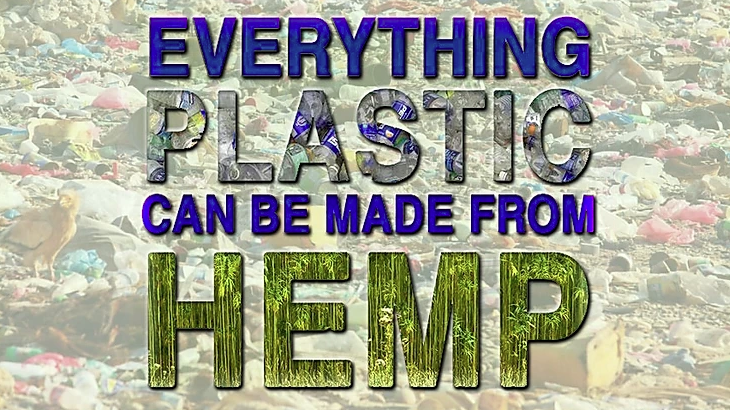
Hemp: A Green Hero in the Fight Against Plastic and Microplastics

In a world increasingly choked by plastic pollution, hemp emerges as a beacon of hope, offering a sustainable and versatile alternative. Here’s why many consider it a lifesaver, particularly in the fight against plastic and microplastics:

Toxicity:

  • Plastic: Traditional plastics leach harmful chemicals like BPA and phthalates, posing health risks and disrupting ecosystems.
  • Hemp: Hemp is naturally non-toxic and biodegradable, releasing no harmful substances into the environment.

Biodegradability:

  • Plastic: Plastic can take centuries to decompose, accumulating in landfills and oceans, where it breaks down into microplastics harming wildlife and entering the food chain.
  • Hemp: Hemp biodegrades in just a few months, returning valuable nutrients to the soil and leaving no harmful residues.

Sustainability:

  • Plastic: Plastic production relies on fossil fuels, contributing to greenhouse gas emissions and climate change.
  • Hemp: Hemp is a fast-growing crop requiring minimal water and pesticides, making it a sustainable and environmentally friendly choice.

Beyond Biodegradability:

  • Hemp fibers: Strong and durable, they can be used to make bioplastics, textiles, building materials, and more, replacing plastic across various industries.
  • Hemp seed oil: A natural replacement for petroleum-based lubricants and inks, further reducing plastic dependence.

Additional Benefits:

  • Hemp: It improves soil health, promotes biodiversity, and captures carbon dioxide from the atmosphere.

The Challenge:

While hemp offers a promising solution, scaling up production and overcoming regulatory hurdles remain challenges. However, the growing awareness of plastic pollution and the potential of hemp are driving investment and innovation, paving the way for a more sustainable future.

Conclusion:

Hemp is not a silver bullet, but it’s a powerful tool in the fight against plastic and microplastics. Its non-toxic nature, biodegradability, and sustainability make it a lifesaver for our planet and a beacon of hope for a cleaner, healthier future. By embracing hemp and supporting its development, we can chart a course towards a more sustainable world, free from the harmful grip of plastic pollution.