Introduction: From Prohibition to Participation

The term ‘commons’ refers to resources managed collectively by a community, emphasizing sustainability and equitable access. The traditional debate surrounding cannabis focuses narrowly on legalization (the government and market) or prohibition (the state), often overlooking the critical dimension of civic ownership of the plant. The transition to the Cannabis Commons advocates for a fundamental shift: returning control, management, and quality assurance of cannabis to citizens, organized within cooperative networks. This model is a direct response to both the failing, exclusionary industrial approach and the inherent drawbacks of the illicit market.
Chapter 1: Architecture of the Cannabis Commons
The Cannabis Commons is designed as a system that redefines the plant and its derivatives as a shared, regenerative asset, managed according to the principles of Elinor Ostrom’s self-governance of collective resources.
1.1 The Three Pillars of Governance
Governance within the Commons must rest on three interdependent pillars, focusing on local autonomy and international collaboration:
- Local Governance (Cultivation): Small-scale, locally anchored cultivation and processing cooperatives (e.g., Cannabis Social Clubs or agricultural cooperatives). These cooperatives are democratically organized and make decisions regarding cultivation methods, volume, and local distribution.
- Technological Transparency (DLT/Blockchain): Utilization of Distributed Ledger Technology (DLT) to record the entire value chain. This ensures immutable (unalterable) provenance and quality data, which is crucial for building civic trust.
- Knowledge as Public Good (Open Source): All agronomic, processing, and application knowledge is shared via open-source platforms, ensuring that innovation and education are not privatized but remain a common possession.
1.2 Common Use Rights
The “commons” principle implies the right to use and contribute. This translates into:
- Right to Small-Scale Cultivation: Citizens have the right to cultivate a limited number of plants for personal or cooperative use, which demystifies the plant and reduces dependency on the commercial sector.
- Right to Quality Information: The consumer’s right to access the complete life cycle and test results of the product via the DLT infrastructure.
Chapter 2: Quality Control and Assurance by the Community
In the Cannabis Commons model, the responsibility for Quality Control (QC) shifts from resting solely with the state or the producer to being managed by the organized community itself.
2.1 Decentralized Quality Assurance
Quality control becomes a layered, participatory process:
- Peer-to-Peer Audits: Cooperative members conduct mutual, formalized inspections of cultivation and processing protocols. This promotes collective knowledge and enhances reliability within the network.
- Sensory Monitoring (IoT): Low-cost IoT sensors are deployed in cultivation spaces to log environmental data (temperature, humidity, light intensity). This data is automatically appended to the DLT via smart contracts, guaranteeing objective, immutable cultivation conditions.
- Certification by the Commons: The cooperative develops its own transparent and high-quality ‘Commons Quality Label’ that exceeds statutory minimum requirements (e.g., by establishing parameters for regenerative agriculture and ethical labor).
2.2 Transparency as an Antidote to Distrust
The integration of blockchain technology is essential for the credibility of the Commons.
- Traceability of the Life Cycle: Via QR codes or digital IDs, every citizen/consumer can track the entire path of the cannabis (from seed to package), including test results for heavy metals, pesticides, and cannabinoid profiles.
- Governance Transparency: All decisions regarding the cooperative’s management, finances, and surplus distribution are recorded in a digital ledger visible to members. This builds a high level of institutional trust.
Chapter 3: Societal Implications and Regenerative Prosperity
The Cannabis Commons has the potential to regenerate traditional societal and economic structures.
3.1 Wellness and Social Cohesion
The model promotes well-being by:
- Safety and Information: Consumers are guaranteed clean, tested products with full information regarding the cultivation methods used, eliminating the health risks associated with the unregulated market.
- Economic Inclusion: The cooperative structure grants small-scale growers and marginalized communities access to the value chain, leading to a fairer distribution of economic opportunities and breaking the ‘boom-bust’ cycle of the illicit market.
- Knowledge Emancipation: The open-source sharing of knowledge empowers individuals, making them more skilled and less dependent on commercial claims.
3.2 Environment and Regenerative Economy
The Cannabis Commons mandates a shift towards a regenerative economy by:
- Ecological Mandates: Cooperatives can formally stipulate in their bylaws that only regenerative agricultural principles (soil improvement, water conservation) are permitted, moving beyond the minimum requirements of ‘organic.’
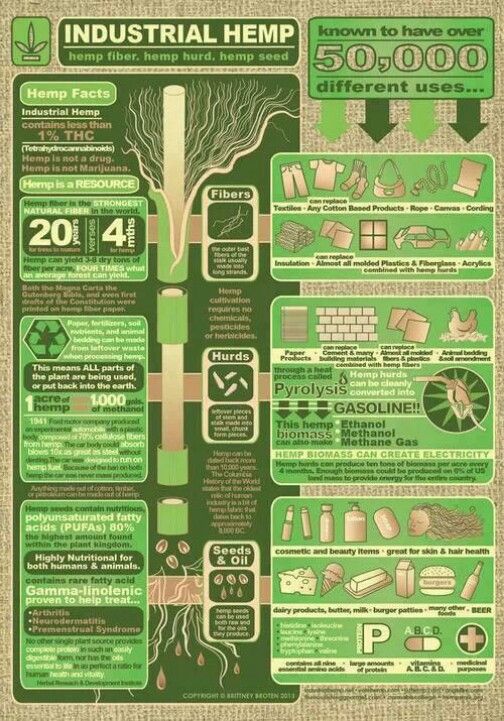
- Waste Stream Management: The cooperative can collectively organize the processing of residual biomass (stalks, leaves) into valuable industrial materials (fiber, hempcrete), creating a circular economy at the local level.
Conclusion: The Necessity of Civic Self-Determination
The Cannabis Commons represents a powerful model for civic self-determination in a high-tech society. By returning the management of cannabis to the community, supported by DLT transparency and the principle of open-source knowledge sharing, a product long associated with crime and pollution is transformed into an engine for ecological regeneration, economic inclusion, and social integration.
The realization of the Cannabis Commons is an act of faith in the capacity of citizens to manage collective resources responsibly and to high standards of quality. This model offers a blueprint for other sectors struggling with centralization, data ownership, and the loss of local governance.